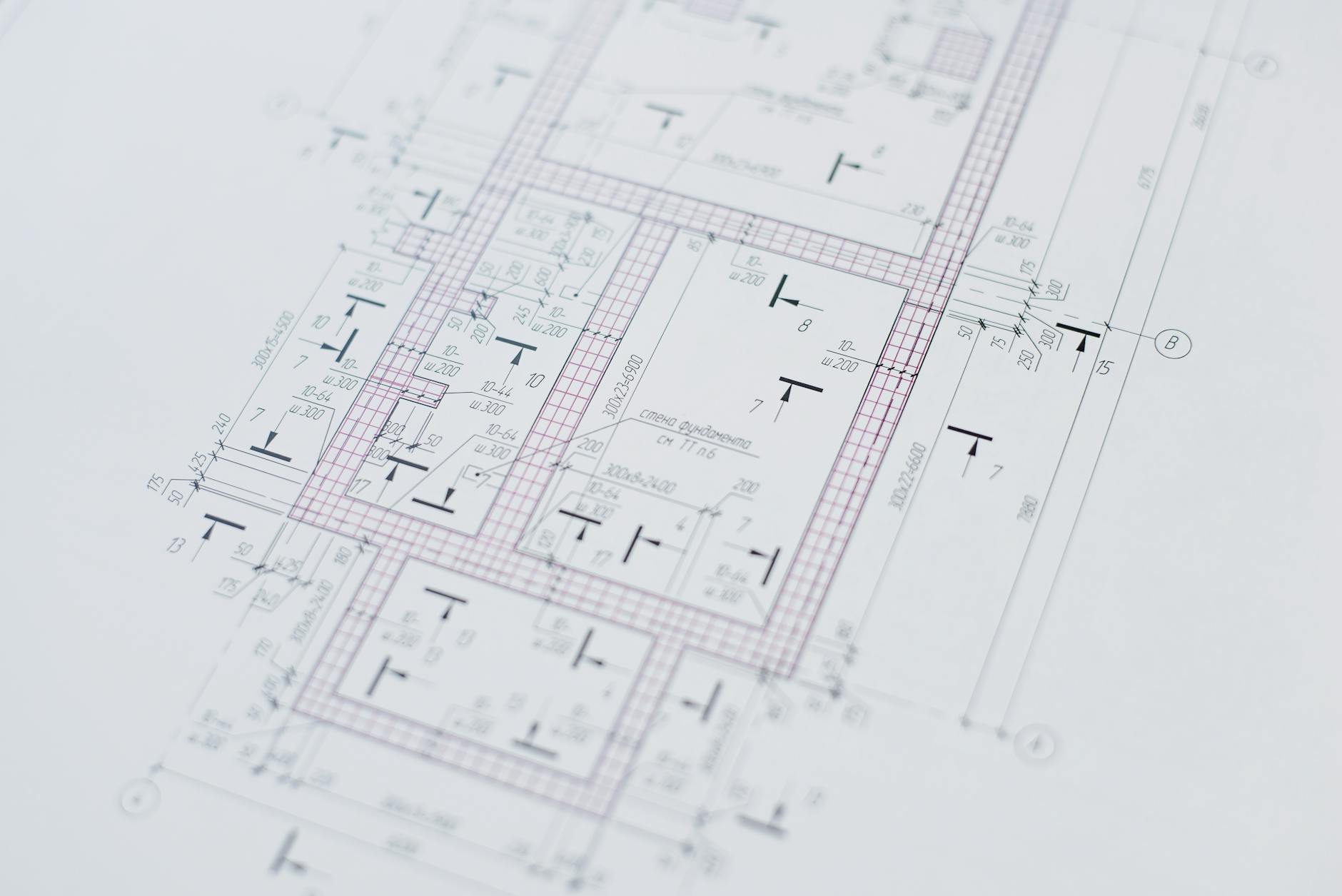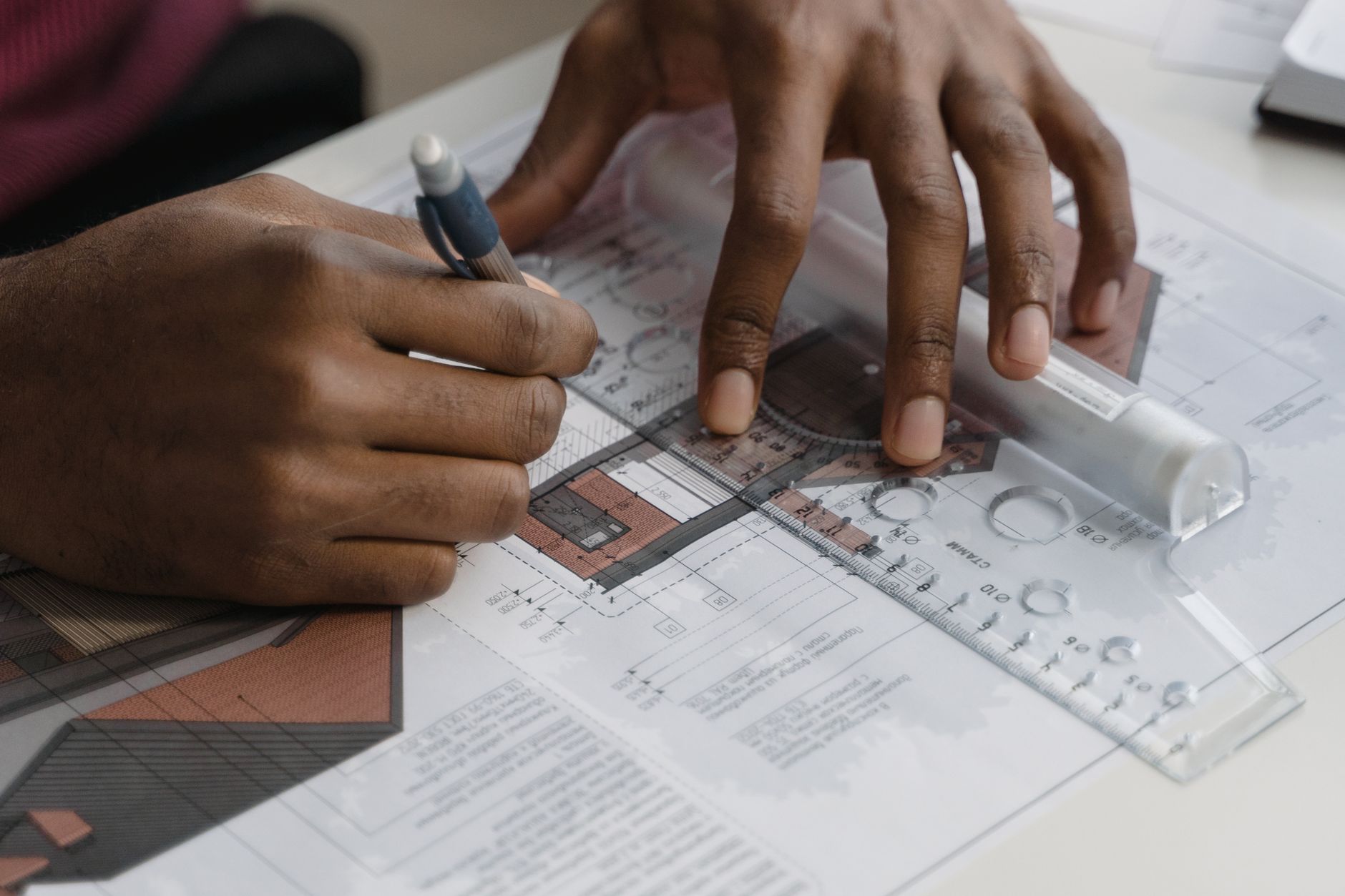
Good delivery is a chain of clear decisions. We establish the non-negotiables early, test them with fabricators and document the interfaces that most often create risk.
That discipline lets site teams move quickly without losing the original architectural idea.
Make the priorities explicit
A brief becomes more useful when it distinguishes the essential requirements from the areas where the team can explore alternatives. Spatial needs, material character and operational constraints should be clear enough that a proposed detail can be tested against them.
Without that shared reference, a small change can be judged in isolation. A junction may look simpler on paper while creating a new problem for appearance, access or the work that follows it.
Look closely at the interfaces
The most demanding details often sit where different systems meet: a facade and a slab edge, a roof and its drainage, or a service route passing through structure. These are places where ownership and coordination need to be clear.
Discussing sequence with the people who will make and install the elements brings useful questions into view. Can the connection be reached? What has to happen first? How will the finished work be inspected? A drawing should support those conversations.
Keep decisions traceable
As information develops, the team needs a clear record of what has been agreed and which questions remain open. Consistent drawing references and documented changes make it easier to understand the current intent.
For a client, an effective review asks three things: does the proposal meet the brief, are its interfaces resolved, and does the team understand how it will be built? Those questions keep detail design connected to delivery.